Affordable Horizon Fence Company Austin Services for Fence Replacement
DIY Versus Professional Fence Installation: Why Hiring an Expert Saves You Time and Money
When homeowners face the decision of installing a fence, they frequently consider the advantages and disadvantages of DIY compared to professional installation. Although the appeal of cutting costs with a DIY approach is attractive, the potential pitfalls can lead to increased costs and time. Trained specialists offer knowledge and effectiveness, which can be vital in managing complex installation challenges. This raises an important question: What are the real benefits of opting for expert installation?
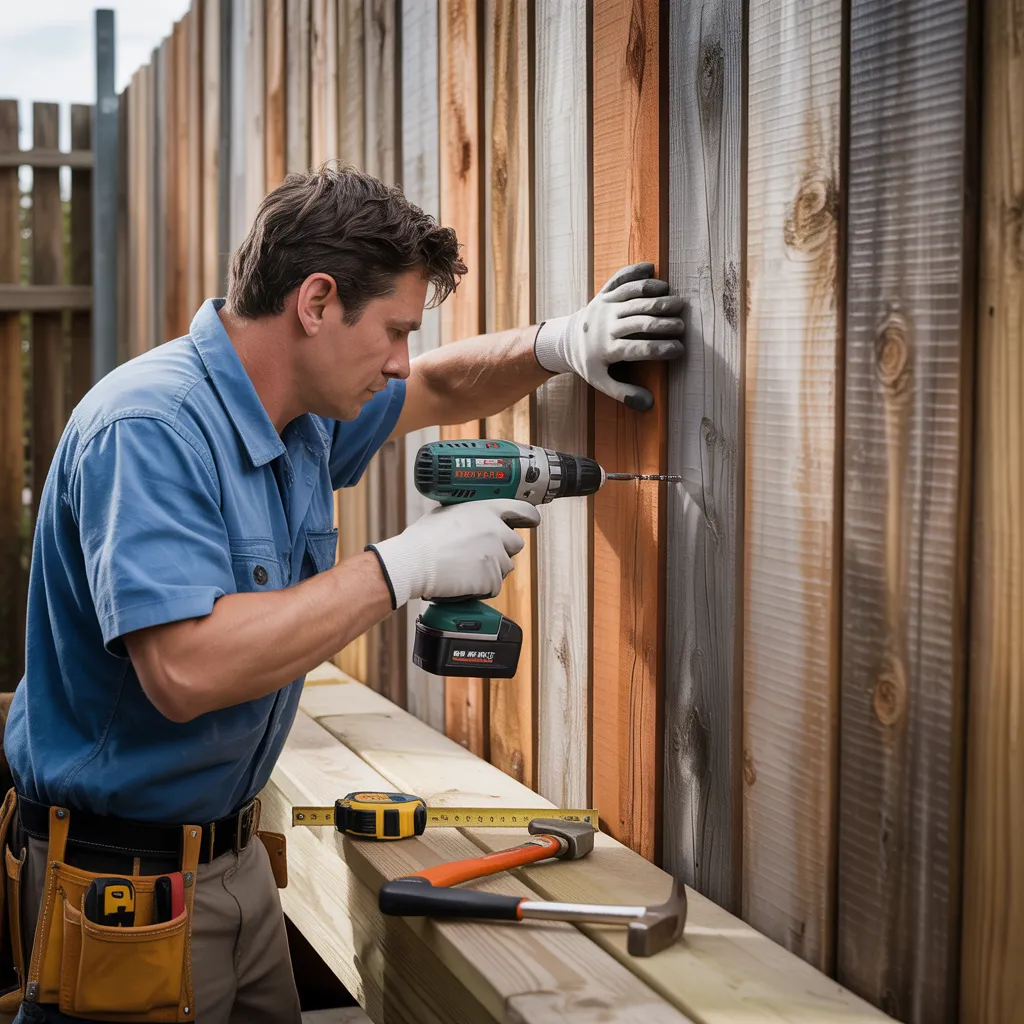
The Benefits of Professional Fence Installation
Although some homeowners might attempt a DIY approach to fence installation, the perks of working with professional installers commonly outweigh the initial expense. Professional installers bring expertise that guarantees the fence is erected correctly and efficiently. They utilize specialized tools and equipment, which lowers the chance of errors and boosts overall quality. Furthermore, their experience enables them to handle obstacles such as uneven terrain or local regulations, which can hinder DIY projects.
Additionally, hiring experts often results in speedier project finishes, freeing homeowners from the hassle of time-consuming installations. Skilled installers additionally offer warranties covering their services, delivering peace of mind about durability and maintenance. Such guarantees help alleviate anxieties over lasting problems that could develop from improper installation. Ultimately, the benefits of professional fence installation involve quality craftsmanship, time savings, and long-term reliability, making it a prudent choice for numerous homeowners.
How Much Will Professional Installation Cost You?
The price of expert fence installation may vary considerably depending on a number of factors, including materials, labor, and site conditions. Understanding these influences is crucial for homeowners considering this option. Moreover, evaluating long-term value can assist in determining whether the investment is consistent with long-term needs and property improvement.
Elements Affecting Installation Cost
Numerous factors affect the overall cost of hiring a professional to install a fence, which makes it important for homeowners to recognize what drives these charges. The type of materials selected—such as metal, wood, or vinyl—plays a major role in determining the total expense. Furthermore, the size and scope of the fence significantly matter; bigger projects tend to cost more. Workforce expenses also vary based on the intricacy of the job and regional labor costs. Terrain and site pertinent information factors, such as landscape features and site access, can increase the total cost, as additional equipment or preparation may be required. To conclude, any applicable permits or regulatory inspections must be taken into account, contributing to the overall cost. Understanding these elements allows homeowners to plan their fencing projects more effectively.
Considerations for Long-Term Value
Comprehending the costs related to professional fence installation reaches further than the immediate expenses. While the upfront fees might appear higher when measured against DIY options, the lasting value frequently warrants the investment. Professionals offer expertise that secures proper installation, which can reduce the need for pricey repairs and maintenance in the long run. Additionally, a properly installed fence can improve property value and curb appeal, potentially yielding a return on investment when listing a property for sale. The durability of professionally installed materials often surpasses DIY alternatives, minimizing future replacement costs. Ultimately, working with a professional can lead to significant savings and peace of mind, making the initial expenditure worthwhile in the context of long-term benefits.
Typical Obstacles of DIY Fence Projects
Starting on a DIY fence project can quickly reveal a host of unanticipated challenges. Homebuilders often overlook the difficulty of proper planning, including boundary line evaluations and acquiring the needed permits. Without a proper survey, they risk encroaching on adjacent property or violating local regulations.
Furthermore, picking the right materials and equipment can be overwhelming. Inexperience may contribute to buying inadequate equipment or misjudging amounts, resulting in cost increases and delays. Appropriate installation methods are crucial; misalignment or inadequate post depth can compromise the durability and effectiveness of the fence.
Beyond that, numerous DIY practitioners fail to foresee weather-driven obstacles, which can slow down completion significantly. Physical labor demands, such as boring post holes or managing weighty supplies, can also discourage even the most enthusiastic homeowners. These hurdles illustrate the intricacies associated with DIY fence installations, inspiring many to acknowledge the worth of professional fencing services.
The Way Professionals Help You Save Time
When thinking about fence installation, professionals offer significant time savings in comparison to DIY projects. Their proficiency in coordinating and delivering projects promises faster completion and limits delays. This streamlined approach empowers homeowners to benefit from their new fencing without the prolonged delay often associated with self-installation.
Accelerated Project Completion
Bringing in professional installers greatly expedites the fence installation process. Experts bring specialized tools and experience, permitting them to wrap up projects more efficiently than most DIY attempts. While a homeowner might take days or even weeks to finish installation, professionals often finish in a matter of hours or days, depending on the project size. Their expertise with different materials and approaches empowers them to resolve issues efficiently, minimizing delays. Furthermore, professional crews generally operate in a coordinated manner, distributing duties to boost overall productivity. This not only hastens the installation but also lowers the probability of errors that might delay completion. Ultimately, hiring professionals guarantees a timely completion, enabling homeowners to benefit from their new fence more quickly.
Professional Planning and Implementation
While many homeowners may underestimate the importance of thorough planning, skilled fence professionals know that detailed preparation is critical to achieving a successful fence installation. Professionals start with a thorough evaluation of the property, accounting for variables such as topography, soil composition, and zoning requirements. This comprehensive method ensures that all required materials are obtained and that the layout corresponds with the homeowner's expectations while complying with regulatory standards.
Furthermore, professionals utilize cutting-edge methods and equipment, making the installation process more efficient. Their experience allows them to anticipate potential challenges and address them proactively, minimizing setbacks. By overseeing schedules and organizing workforce activities, skilled workers not only conserve time but also prevent costly oversights that often result from insufficient preparation. At its core, thorough planning and expert execution deliver a refined, more effective installation.
How Professionals Navigate Local Regulations
Maneuvering regional rules can be an intimidating task for homeowners, but specialists shine in this area. Skilled fence installation specialists possess in-depth knowledge of zoning laws, building regulations, and permitting guidelines tailored to each region. They keep current with changes in regulations, guaranteeing conformity that DIYers might overlook.
Moreover, experts typically possess strong connections with local authorities, which can streamline the approval process. This prior knowledge permits them to address any likely challenges seamlessly, minimizing interruptions that could arise from misinterpretations of local regulations.
Additionally, specialists can guide homeowners toward the right materials and designs that comply with local regulations, minimizing the risk of future fines or mandatory alterations. By drawing on their experience, experts simplify the installation procedure, saving homeowners from the stress and potential pitfalls of regulatory compliance. At the end of the day, working with a specialist not only secures conformity to legal standards but also boosts the overall productivity of the project.
Why Skilled Installation Secures Quality and Long-Lasting Results
Maneuvering through local regulations is only part of securing a successful fence installation; the quality of workmanship plays a vital role in the fence's long-term performance. Skilled contractors bring a wealth of expertise, utilizing techniques that guarantee proper alignment, depth, and stability of fence posts. Their skill limits common installation issues, such as leaning or settling, which can compromise a fence's structural integrity over time.
Furthermore, professional technicians work with top-grade components, appreciating the subtleties of various fencing types and how they hold up against environmental factors. Such expertise aids in preventing untimely wear and degradation, prolonging the durability of the fence.
Furthermore, professional implementation often includes suitable sealing and finishing techniques that enhance resistance to the elements. By opting for qualified installers, residents can feel confident that their fence installation will fulfill more than just appearance requirements but also last for many years, providing peace of mind and decreasing the necessity of frequent repairs.
Long-Term Value of Professional Fence Installation
Investing in expert fence installation delivers substantial lasting value that typically surpasses upfront costs. Skilled professionals offer expertise, ensuring the fence is set up correctly, which minimizes the chances of costly repairs. A well-installed fence can endure environmental challenges, prolonging its life considerably compared to do-it-yourself attempts that may compromise structural integrity.
Moreover, working with a skilled contractor frequently boosts the value of the property. A skillfully installed fence not only elevates the appearance but also strengthens street-side appeal, rendering the home more appealing to prospective buyers. This proves especially significant in housing markets where first impressions play a key role.
Furthermore, skilled contractors commonly include warranties, providing security that amateur installations usually fail to provide. Such coverage for defects or damage protects homeowners from unexpected costs in the future. In summary, the sustained commitment to skilled professional work is advantageous, in both economic value and in upholding a property's overall condition.
Questions We Frequently Receive
Am I Able to Install a Fence by Myself if I Have Little Experience?
Absolutely, it is possible to set up a fence without professional experience, but it could result in problems and costly errors. Research, planning, and patience are essential, though hiring a professional can offer a more dependable and effective outcome.
What Tools Do You Need for DIY Fence Installation?
For fence installation, key tools needed are safety gear, a post hole digger, level, measuring tape, hammer, saw, fence panels, and concrete mix. These items guarantee proper installation and enhance overall efficiency during the process.
What Is the Best Way to Choose the Right Fencing Material?
Picking the right fence material involves assessing strength, care requirements, aesthetics, and overall budget. Typical materials include metal, wood, vinyl, and composite. Assessing each material's pros and cons assists in making a knowledgeable selection that meets individual requirements.
What Maintenance Do Fences Require After Installation?
Fences demand regular maintenance, including cleaning, inspecting for damage, and applying protective coatings. Wood fences gain from sealing and staining, whereas metal fences may require rust prevention treatment. Routine care extends the life of your fence and keeps it looking its best.
What Steps Can I Take to Keep My Fence Level and Straight?
To ensure a fence is level and straight, it is recommended to use a long level or string line as a guide. Regularly check the alignment during installation, adjusting posts as necessary to keep the fence consistent from start to finish.