Top Fortress Fence Company Austin Services for Custom Fence Installation
Premier Fence Installation: Boost Your Curb Appeal
High-quality fence installation delivers more than just property demarcation. It elevates a property's curb appeal, providing both visual charm and functional advantages. Numerous designs, from traditional timber to modern vinyl, cater to diverse tastes. As residents explore their alternatives, recognizing the variables that impact installation and material decisions becomes important. Ideal decisions can dramatically enhance a home's outer facade. However, determining whether to engage experts or pursue a self-managed project introduces key inquiries.
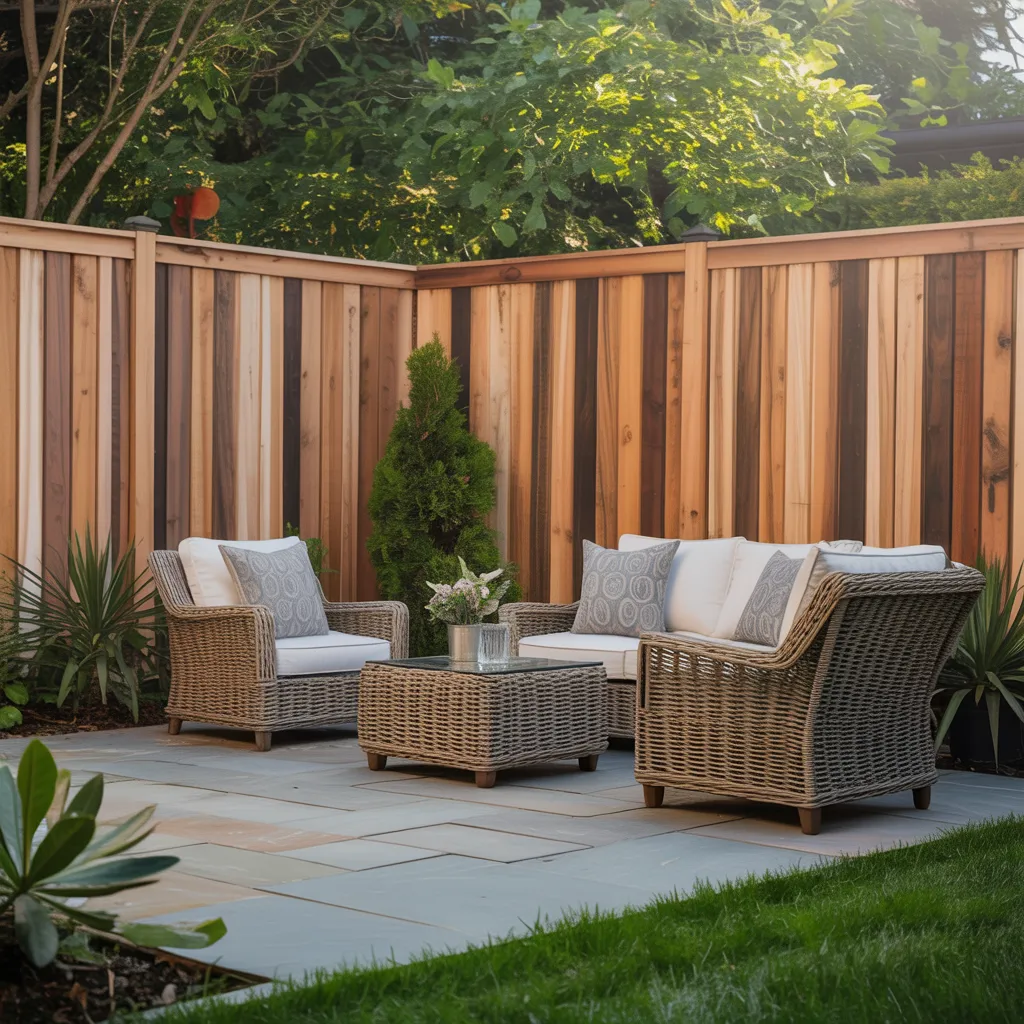
Exploring the Advantages of a Top-Rated Fence
A premium fence delivers several key advantages that can significantly improve property value and security. By providing a clear boundary, it serves to outline the property's boundaries, deterring potential intruders and unwanted animals. This added layer of protection fosters a sense of safety for residents and their belongings. In addition, superior materials and expert workmanship provide lasting strength, reducing maintenance costs over time.
Moreover, a properly built fence can act as an visual improvement, complementing the property's design. It can buffer exterior areas from environmental disturbances, creating a better environment for pursuits like gardening or entertaining. Furthermore, it can ensure seclusion, permitting homeowners to unwind without concern for prying eyes. Overall, selecting a high-quality fence not only enhances protection but also improves the overall appeal and functionality of a household, rendering it an excellent decision for property owners looking for lasting value.
Common Fencing Options That Elevate Your Property's Curb Appeal
When considering installing a fence, the selection of style can significantly improve a property's visual appeal. Timeless wood fencing provides a classic appeal that pairs well with classic home designs, while contemporary vinyl alternatives deliver a refined, minimal-upkeep option. Both styles cater to different aesthetic preferences and can improve the visual appeal of any property.
Classic Wooden Fencing Designs
Traditional wood fence designs provide enduring beauty that elevates street presence for all types of properties. These styles, such as picket, split rail, and privacy fences, offer a natural look that complements various architectural designs. Picket fences, with their charming vertical slats, establish an inviting ambiance, well-suited for front yard applications. Split rail designs, commonly seen in countryside locations, deliver countryside character while staying practical. Privacy fences, usually constructed taller and sturdier, deliver both safety and a tranquil backyard environment. consult now The versatility of wood allows for customization in height, stain, and finish, enabling homeowners to reflect their personal style. In summary, traditional wood fence designs continue to be a top selection for those aiming to improve their home's outdoor appearance.
Today's Vinyl Options
Contemporary vinyl fence selections offer a variety of stylish designs that can considerably boost a home's visual appeal. Available in multiple colors and textures, vinyl fences can simulate natural materials like wood and stone while delivering outstanding durability and easy maintenance. Common styles such as picket, privacy, and ranch rail are available, each catering to different aesthetic preferences.
Vinyl fencing stands up to rot, fading, and pests, guaranteeing a lasting and worthwhile investment. Moreover, its adaptability in design permits homeowners to tailor heights and panel layouts to match their landscape. Therefore, today's vinyl fences not only deliver security and privacy but also improve the overall look of a home, making them a popular selection among thoughtful property owners.
Find the Perfect Material for Your Fence
Selecting the best option for a fence is important for both aesthetics and functionality. Options such as wood and vinyl offer unique benefits, while chain link offers a economical solution. Additionally, the strength of metal fencing may be a key consideration in planning for the future.
Wood vs. Vinyl Fencing
When homeowners consider fencing options, the comparison between wood and vinyl tends to emerge due to each material's distinct advantages and drawbacks. Wood fencing delivers a traditional look and natural appeal, appealing to those who prioritize traditional styles. It allows for straightforward personalization and is often more affordable upfront. However, wood demands consistent upkeep to prevent rot and damage from pests.
In contrast, vinyl fencing is celebrated for its durability and low maintenance, resisting fading, distortion, and deterioration. It often comes with a larger initial price tag but may reduce expenses in the long run due to its lasting durability. Property owners ought to consider their priorities, such as design preferences, budget considerations, and maintenance expectations, to choose the most suitable choice for their fence installation requirements.
Available Chain Link Options
Chain link fencing provides a practical solution for residents wanting visibility and security without sacrificing budget. This fencing option comes in a range of heights and gauges, allowing property owners to select styles that match their requirements. For homeowners focused on appearance, vinyl-coated chain link offers an attractive option, blending seamlessly with landscaping. Moreover, property owners can select galvanized chain link for superior rust protection, ensuring longevity. Installation is typically simple, making it a popular choice among DIY enthusiasts. With options like privacy slats or decorative tops, chain link fencing can be tailored to achieve both functionality and style. In summary, chain link fencing provides a flexible and cost-effective solution for defining property lines.
Durability Factors for Metal
Selecting the correct fencing material entails understanding the strength of different choices. Metal fences, particularly those made from steel and aluminum, are recognized for their durability and resilience. Aluminum provides a rust-resistant and lightweight solution, making it an excellent choice for seaside locations. Steel, despite being heavier and more durable, demands galvanization or coating to resist corrosion. On the other hand, wrought iron, while visually attractive, demands regular maintenance to combat rust. Furthermore, the thickness of the metal holds considerable importance; thicker materials provide enhanced strength and durability. At the conclusion of the selection process, considerations including climate, purpose, and upkeep requirements ought to inform the decision-making process, ensuring that the chosen metal fence withstands environmental challenges as it retains its structural integrity across time.
Identify Key Factors for Installation Success
Successful fence installation copyrights on several key factors that significantly influence the final result. Initially, choosing the appropriate materials is essential; various materials provide different levels of durability, upkeep needs, and visual appeal. Furthermore, proper planning is essential, encompassing the review of property lines and acquiring the appropriate permits to avoid legal issues.
Additionally, precise measurements and a carefully planned layout establish that the fence correctly matches the landscape and meets the owner's specifications. The soil composition and terrain likewise play a key role in the success of the installation; these elements can determine the type of foundation required for stability.
Furthermore, climatic conditions need to be considered, as extreme temperatures or rain can hinder installation efforts. To conclude, a detail-oriented approach throughout installation—such as straightening panels and anchoring posts—results in a strong and attractive fence. By considering these elements, property owners can significantly improve the durability and performance of their fence installation.
Should You Use Professional Installers or Take the DIY Route for Your Fence?
When deciding between hiring professionals and attempting a DIY fence installation, homeowners often assess their expertise, budget limitations, and scheduling demands. Choosing professional installation usually delivers high-quality outcomes, as seasoned professionals offer technical expertise and appropriate tools. This approach works best for individuals without the necessary time or knowledge to handle the project properly. In contrast, taking a DIY route can offer significant savings, allowing homeowners to save on labor costs and engage in a rewarding task. However, this route demands a solid understanding of fencing materials, local regulations, and proper installation techniques. Homeowners must also factor in the time investment, since DIY projects often take longer than originally anticipated. In the end, the choice depends on personal factors such as individual preferences, the complexity of the project, and accessible resources. A thorough assessment of these aspects will assist homeowners in selecting the most suitable option for their fencing projects.
Essential Tips for Maintaining Long-Lasting Fences
Preserving a fence's structural integrity and visual appeal requires routine upkeep. Periodic inspections are vital; property owners should check for signs of rot, wear, or structural damage. For wooden fences, applying a weatherproof stain or sealant every few years can guard against water damage. Iron fences should be examined for rust, and any compromised areas should be treated and repainted without delay to preserve their condition.
Furthermore, clearing the area surrounding the fence of debris and overgrown vegetation can help prevent the buildup of moisture and pest infestations. Tightening any loose screws or bolts is also recommended to maintain structural stability.
Washing the fence regularly, with a gentle soap mixture and a soft-bristled brush, helps maintain its appearance. Periodic seasonal care is critical; consequently, homeowners should develop a routine to ensure the longevity of their fence structures. Applying these guidelines can significantly improve the resilience and attractive appearance of any fence.
What to Expect in Fence Installation Costs
Grasping fence installation costs is essential for homeowners seeking to upgrade their land. The full expenditure can vary considerably based on various elements, including the choice of fencing material, the intricacy of the setup, and the size of the area to be fenced. Widely used options such as chain link, wood, and vinyl each offer distinct cost levels.
Furthermore, labor expenses may vary based on area market rates and the expertise of the contractor. Homeowners should also consider required permits and added features, such as ornamental features or gates, which can additionally impact the total budget.
Typically, costs fall from $1,500 to $4,000 for regular installation projects. Homeowners are encouraged to gather several quotes and evaluate the extent of the work required to establish a clear understanding of their financial investment before proceeding.
Incorporating Fencing Into Your Landscape Design
Weaving fencing into landscape architecture not only elevates the aesthetic value of a property but also offers practical benefits like privacy and security. A carefully selected fence can harmonize with existing plants, pathways, and outdoor structures, establishing a unified appearance. As an example, wooden fences can merge effortlessly with natural environments, while metal alternatives provide a sleek, modern element that complements contemporary landscaping.
The design and hue of the fence must coordinate with the complete vision of the landscape. Vertical gardens or climbing plants can be integrated to ease rigid boundaries and add greenery. Additionally, carefully positioned fencing can delineate spaces, such as separating garden areas from recreational zones.
Ultimately speaking, well-planned incorporation of fence installations transforms not just the aesthetic appeal but also the utility of outside living spaces, establishing an appealing setting that reflects the home dweller's unique preferences and style.
Questions We Often Receive
What Permits Are Needed for Installing a Fence?
Generally, residents must obtain a building permit before putting up a fence. Local zoning regulations may also require special permits, particularly regarding property boundaries or height requirements. Reaching out to your local authorities ensures adherence to all required regulations.
What Is the Typical Duration of Fence Installation?
Fence installation typically takes anywhere from one to three days, based on factors including the chosen materials, the size of the lot, and prevailing weather conditions. Elaborate fence designs can require more time to finish.
Are Fences Able to Be Installed in the Winter Months?
It is possible to install fences in winter. Nevertheless, frozen ground and unfavorable weather conditions can make the process more demanding. Experienced installers frequently modify their methods to ensure stability and durability throughout the colder months.
What Is the Standard Lifespan of Various Fencing Materials?
Fence materials differ significantly in their expected lifespan: wood typically endures for 10-15 years, vinyl can endure 20-30 years, chain link fencing generally has a lifespan of 15-20 years, and aluminum can exceed 30 years with the right upkeep.
How Can I Select a Fence Color That Matches My Home?
To pick a fence color that enhances a home, one should evaluate the outside colors, building design, and surrounding environment. Neutral tones often blend well, while vibrant hues can offer contrast and aesthetic impact.